How One Restaurant Operator Survived a $7 Million Labor Cost Bomb (And What It Means for You)
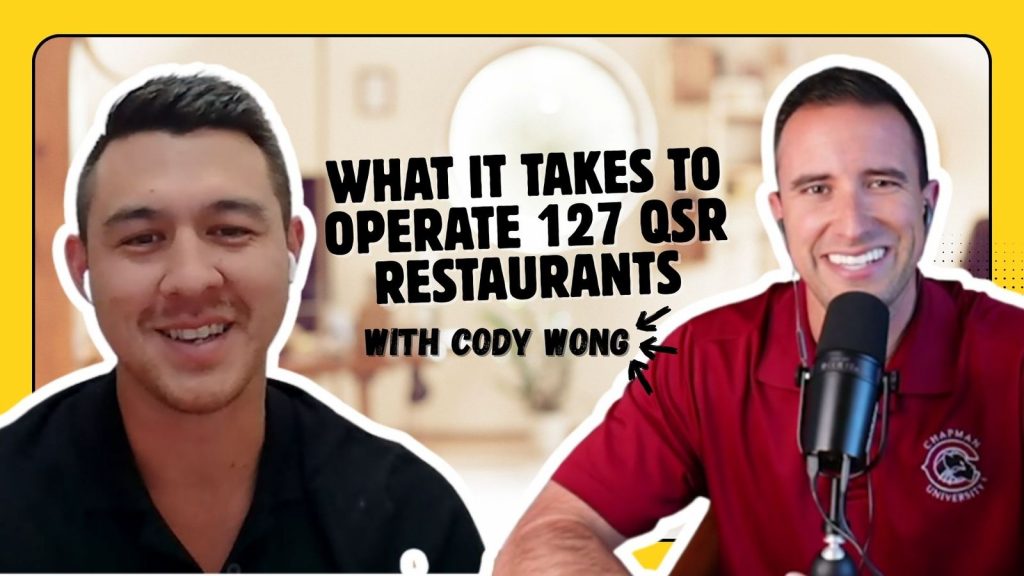
- By Harri Insider Team | January 12, 2026
The Phone Call That Changed Everything
Picture this: You were literally born into this business in March 1992, with your dad working at Jack In The Box (later becoming their youngest GM) just seven months later.
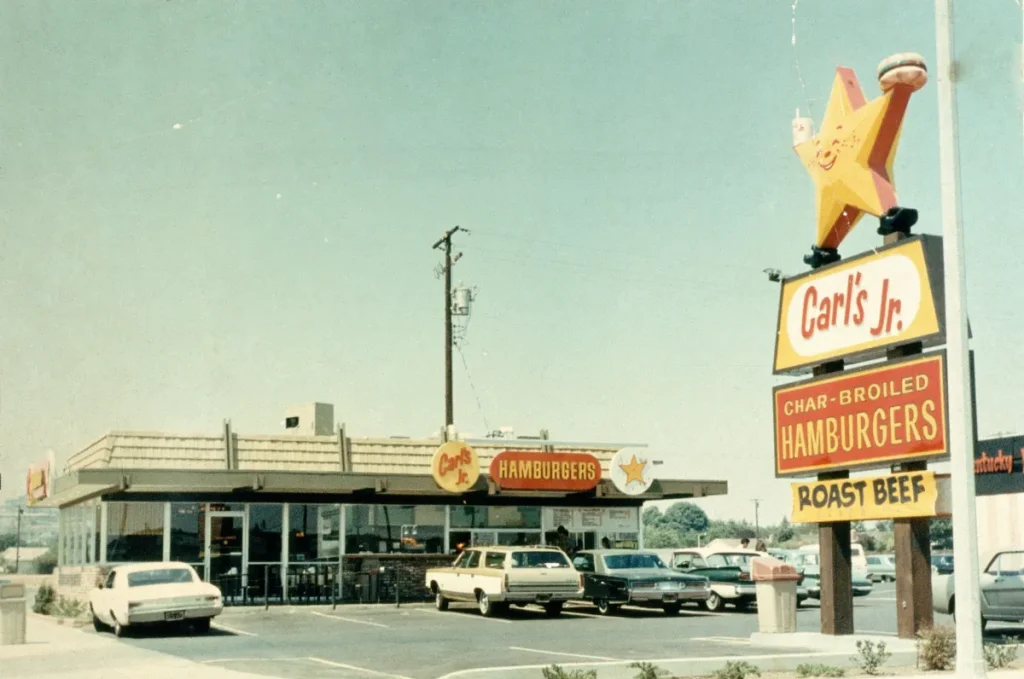
You grew up cleaning trays and hanging out in dining rooms. Now, you’re running 127 restaurant locations across California. Your father built this empire from three Carl’s Jr. stores in 1992. Life is good.
Then the phone rings.
“We just calculated the impact of the new minimum wage law,” your finance team says. “It’s going to cost us $7 million more per year if we change nothing.”
That’s roughly $55,000 more per location, per year. For most operators, this would be a death sentence. For Cody Wong, CEO of CW Management Services, it became the catalyst for the most innovative period in his company’s 30+ year history.
The “Holy Sh*t” Moment That Sparked Innovation
“We had a serious leadership team huddle in November ’23,” Wong recalls. “We had two options: sit here and complain and throw our hands up… or get really creative and see what sticks.”
They chose creativity. And what happened next might surprise you. Instead of just cutting labor hours (the obvious move), Wong’s team dove headfirst into AI and automation—but not where you’d expect. While everyone’s talking about AI drive-thrus and robotic cashiers, Wong went the opposite direction:
- Tested AI in drive-thrus → Customers hated it, pulled it immediately
- Implemented AI for accounts payable → Massive time savings
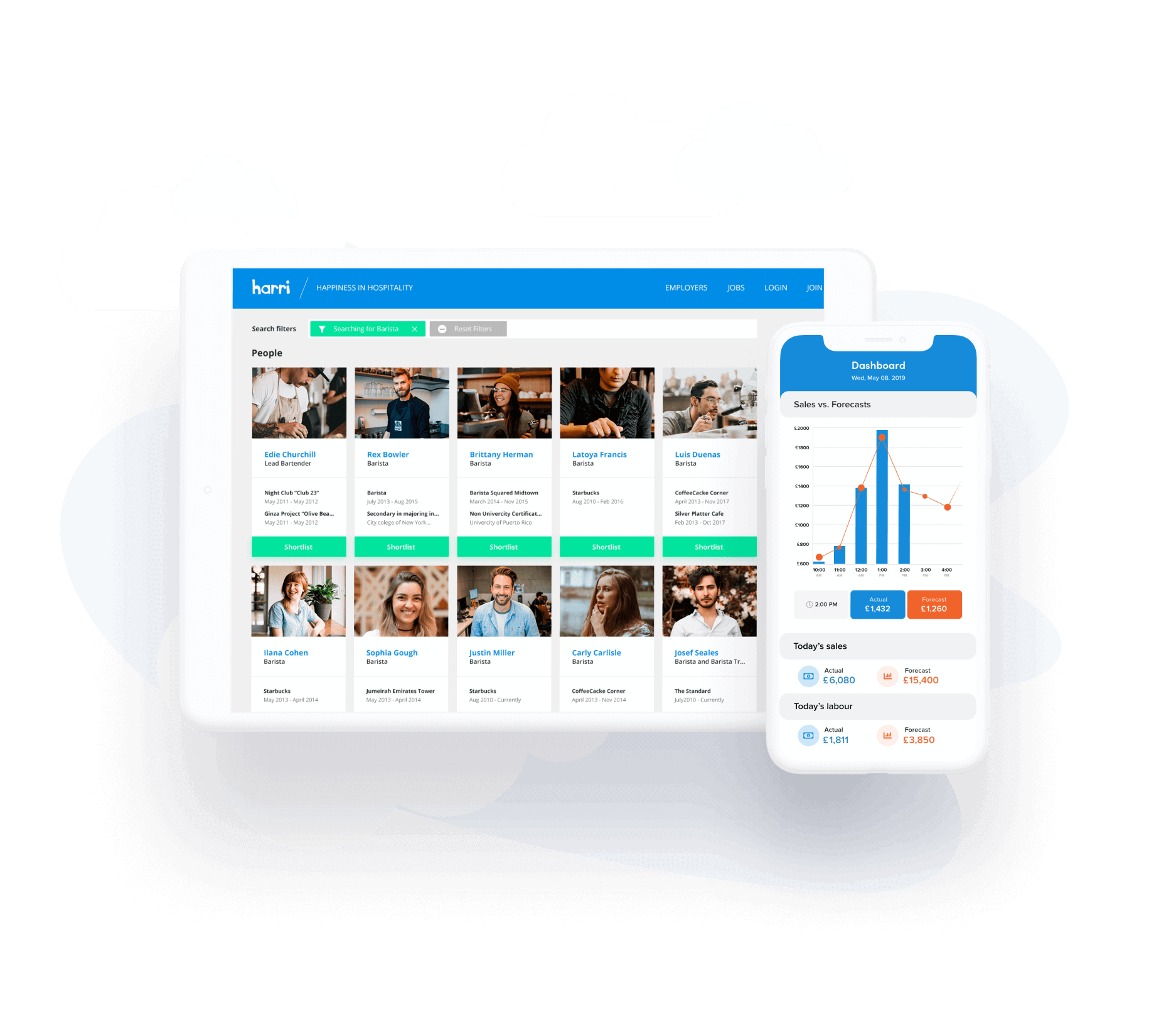
- Used Harri for labor scheduling optimization → Found hidden inefficiencies
- Currently piloting $200K robots → For back-of-house frying operations
Wong’s secret isn’t just the technology—it’s the trust system that makes it work. ‘If you show them you truly care, they’ll be more open about issues with forecasting or tools rather than hiding problems because they think they’ll get in trouble,’ he explains.”
“We still want to have the feel of human interaction. The second you lose that… there’s something that just feels very icky,” Wong explains. “And so that’s how we’ve used Harri, is we don’t want to necessarily just cut hours. We also just want to maximize the hour itself and the scheduling using AI capabilities from Harri.”
The 5-Person Back Office Running 127 Units
Here’s where it gets really interesting. Wong’s entire back-office operation—handling HR, payroll, accounting, and compliance for 127 locations—runs with just 5-6 people.
How? Strategic automation of simple, repetitive tasks:
- AI reads and processes invoices automatically
- Learns vendor patterns after just a few examples
- Flags unusual amounts for manual review
- Enables batch approval for routine transactions
The result? What used to require multiple full-time employees now happens in minutes. But the real game-changer came with labor scheduling optimization, with Wong’s team using Harri to manage labor across his 127 stores.
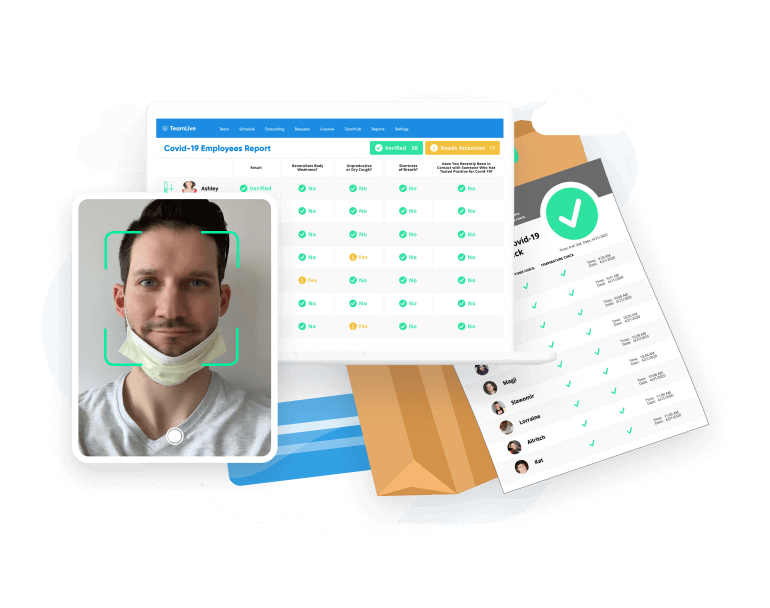
Wong’s efficiency gains go beyond scheduling, the biometric time-clock in the Harri platform is directly responsible for thousands in savings. “The issue was not prevalent with our Dave’s locations because we had Harri implemented from the very beginning. These issues were seen at our Carl’s Jr. locations where buddy punching and time theft was a real issue.”
The introduction of biometric punching was key to eliminating “ghost employees,” cutting manger overtime in half and reducing meal break premiums by 25% at those Carl’s Jr. locations.
The Brutal Truth About Labor Optimization
Wong’s approach to the labor crisis isn’t just about cutting costs—it’s about surgical precision in scheduling:
“Why do we have five employees working a low-volume hour, but only two during high volume? You might lose that one or two customers who wait 30 minutes, but if you were staffed properly, you wouldn’t lose anyone.”
The insight: Most operators know their labor percentages but miss the hour-by-hour inefficiencies that kill profitability.
“As we continue to grow our business from a midsize organization to a large enterprise, quality of service and people become our two biggest factors,” Wong says. “Having the right tools in place, such as Harri, allows us to scale properly without having to worry about growing pains on that side of the operation.”
What This Means for Your Operation
Wong’s story offers three critical lessons for restaurant operators facing similar pressures:
1. Test fast, fail fast. “The biggest lesson is you can’t be too invested in these ideas because they are inherently a little bit crazy. Try it. If it doesn’t work, rip the band-aid off.”
2. Automate the back, humanize the front. Focus AI and automation on invisible operations while maintaining human connection with customers.
3. Data-Driven Scheduling Wins. The real money isn’t in cutting total labor, it’s in optimizing labor allocation hour by hour.
Cody’s management structure is deceptively simple: one district manager per 10 stores, all reporting to a VP of Operations, with weekly meetings driven by Harri’s data insights. “Can I give them useful data in five minutes so they know exactly what to discuss, rather than spending 30 minutes trying to figure out the problem?”
Behind all the technology and innovation lies a deeply personal motivation: “From a personal and selfish level, it’s really to eventually allow my dad to truly retire.” The man who started with three stores and worked his way up from a 16-year-old Jack in the Box employee deserves to see his legacy in capable hands.
To listen to the full podcast of Cody on Titans of Food Service, click here. To read more about Cody’s experience with the Harri platform, check out this Fast Casual article (featured below).