The Compliance Mistakes Costing California Restaurant Operators Millions (And How to Fix Them)
- By Harri Insider Team | May 13, 2026
This article is intended to provide general insights and should not be considered legal advice. For guidance specific to your business, please consult with qualified legal counsel.
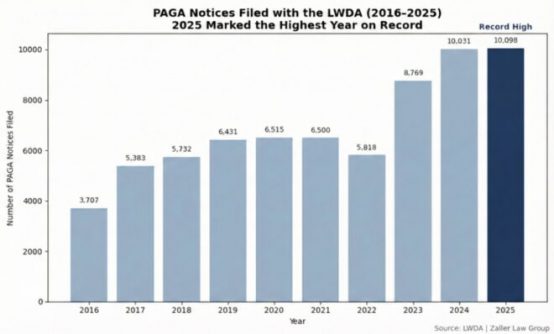
California isn’t just one of the most complex labor markets in the country — it’s one of the most actively enforced. For restaurant and hospitality operators, that means the gap between a compliant operation and a seven-figure PAGA lawsuit can come down to whether your managers know when a meal break premium is due, or whether your system flags a non-compliant schedule before it ever goes live.
Last week, Harri’s VP of Strategic Risk and Compliance, Samantha Gallagher, joined California labor attorney Anthony Zaller for a live masterclass on scheduling smarter and avoiding the most common California wage and hour pitfalls. Here’s what every restaurant operator needs to take away.
Meal Breaks: Still the #1 Source of Litigation
If you’re only going to get one thing right, make it meal breaks. According to Zaller, meal and rest break violations drive roughly 75% or more of California labor lawsuits — and it’s the first thing plaintiff attorneys look for when they get time records from a disgruntled employee.
The basics:
- Employees working more than 5 hours must receive a 30-minute unpaid meal break before the end of the fifth hour
- Employees working more than 10 hours must receive a second 30-minute break before the end of the 10th hour
- Meal breaks must be recorded — start time, stop time, and duration
Samantha’s operational take:
“Recording meal breaks probably isn’t enough anymore. Pressure test your system. Is it flagging when a break has been short or late? Is it giving you all the information you need to determine if a break premium is due? And critically — if you needed to pull that data for an audit, could your system actually produce a clean record?”
The standard Samantha recommends: run a mock audit. If your records can’t prove compliance cleanly, fix the gap before a plaintiff attorney finds it first.
Meal Break Waivers: What’s Actually Legal
Waivers are legal in California — but they’re narrowly applicable, and how you manage them matters.
- First meal break can be waived if the employee works no more than 6 hours
- Second meal break can be waived if the shift is 10–12 hours and the first break was compliant
- A recent April 2025 court ruling (Bradsbury) confirmed that a prospective written waiver signed at onboarding is enforceable — you don’t need a new waiver every shift
- Waivers must be mutual, voluntary, and revocable at any time
Samantha on Harri’s approach:
“We have digital waiver management built into the platform. Employees can sign their waiver directly at the time clock and update their status at any point. This removes the risk of a manager not having record of a verbal waiver update — which is exactly the kind of gray area that opens you up to liability.”
One additional note from Zaller worth flagging for operators: if 100% of your workforce has signed a waiver, expect that to be challenged as non-consensual. A handful of employees who opted out actually strengthens your position.
Premium Pay: Pay It, Track It, Prove It
When a meal or rest break is missed, California law requires the employer to pay one additional hour at the employee’s regular rate of pay. This applies separately to meal breaks and rest breaks — so the maximum owed in a single day is two hours of premium pay.
What operators often miss:
- The calculation must be based on the regular rate of pay — not base rate — which means non-discretionary bonuses, commissions, and distributed service charges must be factored in
- Premium pay must appear separately and clearly on the employee’s pay stub
Samantha’s recommendation:
“Ask your system if it’s tracking premium pay and surfacing it in your reports. If it’s not, ask if it can be added. When an audit or PAGA claim hits, that documentation is what shows you’ve been acting in good faith.”
Zaller adds: proactively paying premiums — even when you’re not sure a violation occurred — is one of the most effective ways to build a reasonable steps defense under California’s reformed PAGA law, which can cap your penalties at 15% of total liability if steps were taken before receiving a PAGA notice.
Rest Breaks: What You Don’t Have to Record (And What You Should Do Instead)
Unlike meal breaks, 10-minute rest breaks don’t need to be recorded — and Zaller actually recommends against it, since incomplete records can be used against you.
The schedule:
- No rest break required for shifts under 3.5 hours
- One break for shifts up to ~6 hours; two for up to ~10 hours; three for up to ~14 hours
- Breaks should fall as close to the middle of each 4-hour work period as practicable
What Harri does instead of clocking:
“We prompt employees at the end of their shift: ‘Did you take all of your rest breaks today?’ Simple yes or no. If they say yes, you’re covered. If they say no, that triggers the premium — but at least you have a real, timestamped record you can rely on in an audit rather than relying on memory.”
Split Shifts: An Overlooked Exposure
A split shift occurs when an employee’s schedule has a non-working gap — established by the employer — of more than roughly one hour, outside of a standard meal or rest break.
What’s owed: One hour at minimum wage. However, if the employee is already earning above minimum wage, the excess earnings can offset the premium — meaning many operators may not owe anything additional.
Key distinction: If the employee requests the gap (to run an errand, pick up a child, etc.), document it. That’s not a split shift, and no premium is owed.
Harri automates the full split shift calculation, including flagging cases where wages already offset the premium.
The Bigger Picture: Technology as Your Compliance Layer
A recurring theme throughout the session: in 2026, manual compliance tracking isn’t just inefficient — it’s a liability.
Samantha’s core message for multi-unit operators:
“Running compliance across a portfolio of California locations isn’t just harder than running one — it’s a fundamentally different challenge. You can’t be everywhere at once, and your exposure compounds with every location you add.”
Harri’s enterprise risk dashboard surfaces real-time compliance risk across all locations simultaneously, ranked by violation category — so operators know exactly where to focus first without digging through location-by-location reports.
Other platform capabilities called out during the session:
- Schedule publish blocks that prevent managers from going live with a non-compliant schedule
- Biometric time clock attestation that creates a timestamped record of every clock-in, clock-out, and break attestation
- PAGA audit report packages ready to deploy if a claim comes in
Bottom Line for California Restaurant Operators
- Meal breaks are your biggest exposure — enforce them, record them, and pay premiums when they’re missed
- Use technology that flags violations before they hit payroll, not after
- Document everything — waivers, premium payments, time edits, and manager corrective actions
- Run a mock audit to find out if your current system can actually defend you
- Proactive reasonable steps under reformed PAGA can cap your penalties at 15% — but only if the work is done before a notice arrives
Want to see how Harri helps California operators stay audit-ready? Email marketing@harri.com and ask for 15 minutes with Samantha.