How Jack in the Box Transformed Workforce Management Across 2,188 Locations In 5 Months
- By Harri Insider Team | January 7, 2026
Sunday nights used to be the worst part of the week for Jack in the Box restaurant managers. That’s when they’d sit down with spreadsheets, labor budgets, and employee availability requests to manually build schedules for the upcoming week. That process could take 8-10 hours and still leave them worried about compliance violations, coverage gaps, and whether they’d accidentally scheduled two employees who don’t work well together.
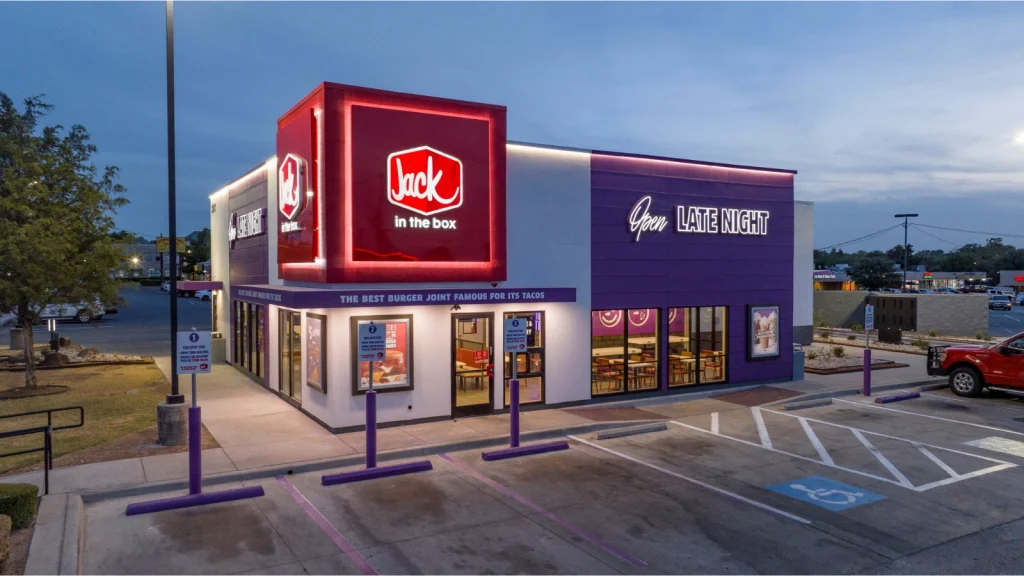
Today, those same managers can generate optimized schedules in minutes, automatically checking for overtime risks and compliance issues while ensuring the right people are in the right places at the right times. The difference? A comprehensive rollout of Harri’s workforce management platform across all 2,188 Jack in the Box locations—completed December 1, 2025—that represents one of the restaurant industry’s largest and most successful technology implementations.
The transformation goes far beyond technology. It’s about giving managers their time back so they can focus on what really drives restaurant success: coaching their teams, creating great guest experiences, and growing their business.
The Solution: Intelligent Workforce Management Built for Scale
Jack in the Box’s technology modernization efforts required careful orchestration with existing systems. The workforce management implementation needed to integrate seamlessly with critical platforms including Qu for point-of-sale data, R365 for financial reporting, and DnA for operational analytics. Each integration point represented potential complexity that could disrupt daily operations across thousands of locations.
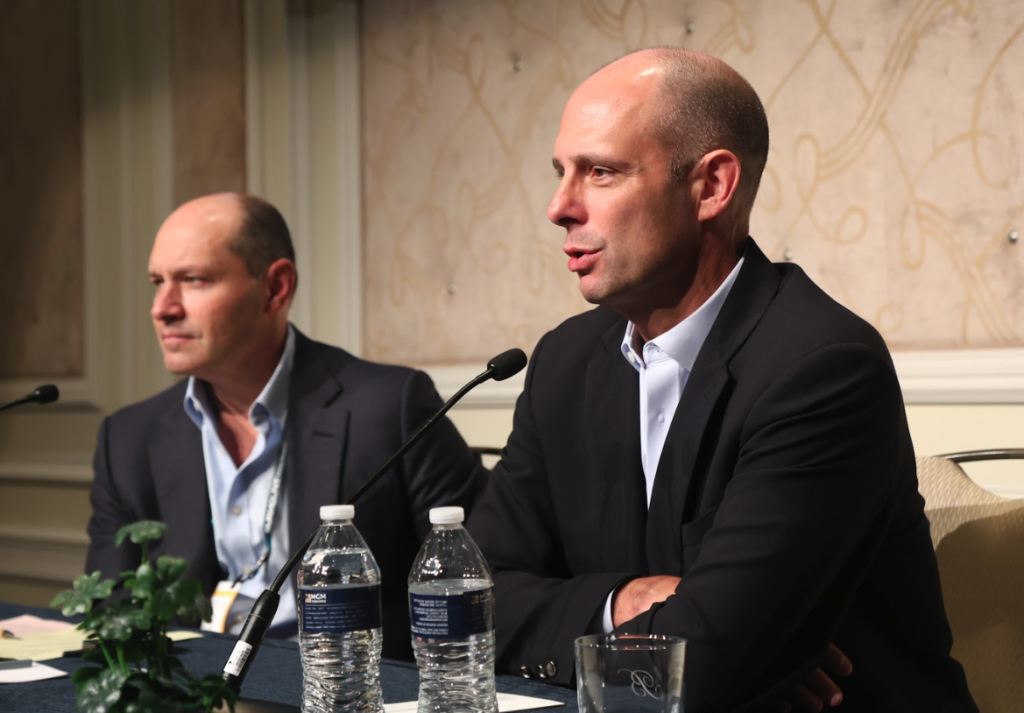
CTO Doug Cook’s philosophy guided the entire approach: “The RGM is the most crucial job and the hardest in a restaurant. How do we make that individual’s life easier?” This human-first perspective meant the technology had to work within existing workflows rather than forcing managers to adapt to new processes.
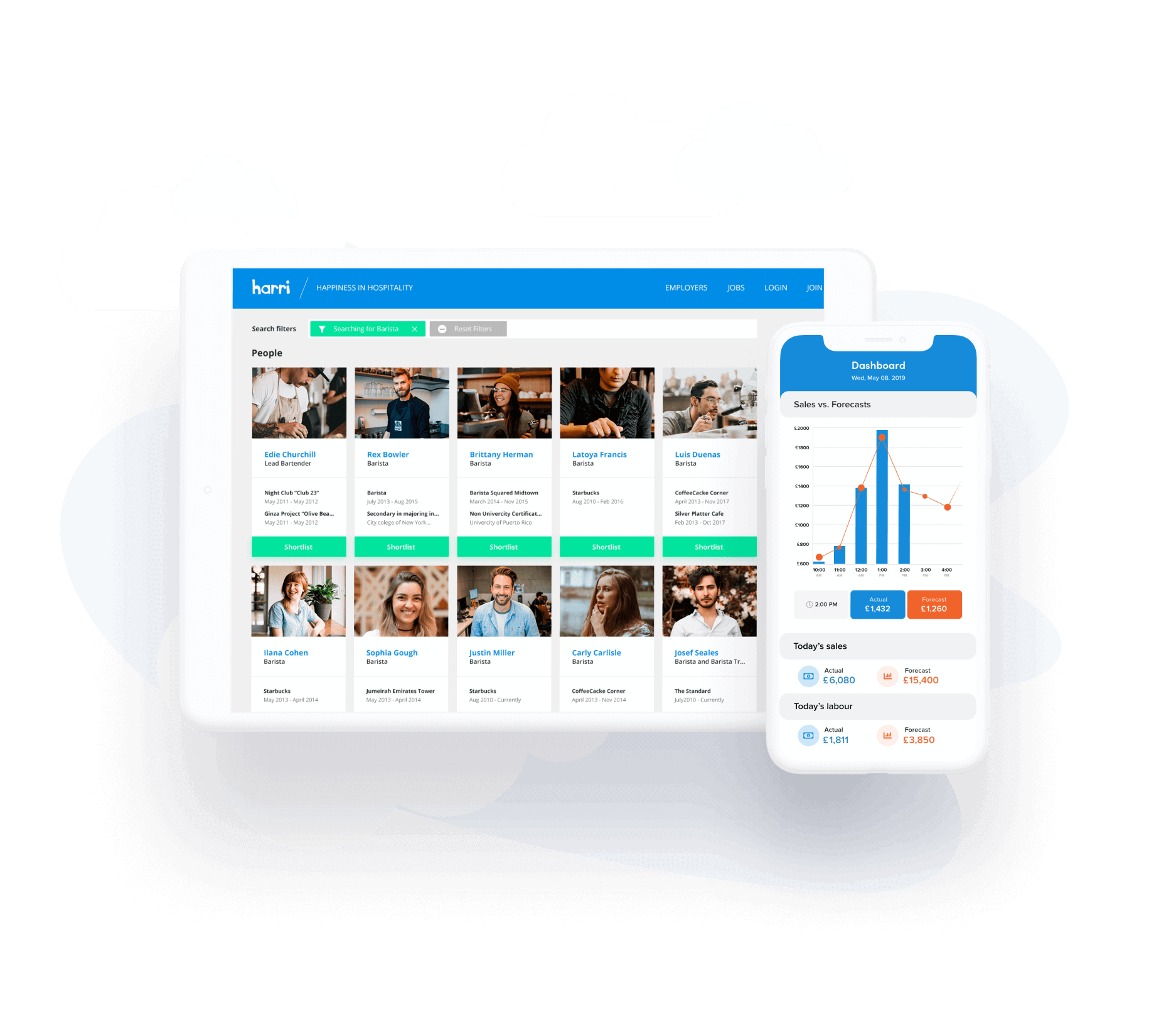
Harri’s workforce management platform provided Jack in the Box with capabilities that addressed both immediate operational needs and long-term strategic goals:
Real-time compliance monitoring that prevents costly violations before they occur, and reduces their risk of being audited
Predictive scheduling that balances labor costs with service quality, moving beyond static models to dynamic deployment based on actual demand patterns
Integrated data flows connecting sales forecasting with labor planning, giving managers visibility into the “why” behind scheduling recommendations
Mobile-first design that works seamlessly whether managers are in the restaurant, at home, or traveling between locations
The system also had to accommodate Jack in the Box’s unique operational requirements, including late-night operations, varying store formats, and the complex dynamics between corporate and franchise locations.
The Implementation: Rolling Out Across 2,188 Locations
The implementation unfolded in carefully orchestrated phases, with Harri and Jack in the Box teams working closely to ensure each group of locations could go live without operational disruption.
- Phase 1: Foundation Building By leveraging a well-orchestrated data gathering strategy, the teams managed to synthesize the unique needs of over 70 organizations in only one month. The rigorous discovery phase paved the way for the Harri Deployment team to deliver 70+ tailored configurations, precisely mapped to a prioritized Go-Live schedule that met the specific operational needs of each Jack In the Box entity.
- Phase 2: Accelerated Rollout By October 13, the teams had achieved a major milestone with approximately 1,700 locations live on the platform. The momentum was building as large waves of implementations became routine, with the teams successfully managing hundreds of locations going live simultaneously. A significant wave of over 330 locations went live between October 14th and 16th, demonstrating both the system’s scalability and the implementation team’s operational excellence. This brought the total live locations to around 1,700, marking the passage of the halfway point with clear momentum toward the November 30th target completion date.
- Phase 3: Technical Optimization and Final Push A significant breakthrough came when Harri’s engineering team optimized their polling process for sales and check processing, dramatically improving data loading times across all locations. This enhancement ensured managers could access real-time information when making critical staffing decisions.
The final phase involved completing the remaining locations while addressing the technical refinements needed for optimal performance. By December 1, 2025, all 2,188 Jack in the Box US locations were successfully running on the Harri platform.
Integration Milestones:
Successfully connected Qu point-of-sale data for real-time sales integration
Implemented R365 integration for post-payroll data access and 14-day payroll lookbacks
Configured DnA connections for operational analytics
Deployed mobile access for managers across all locations
Completed employee data imports and position alignments across corporate and franchise operations
Implemented seven-day sales data lookbacks as system safeguards
Results: Empowering Managers and Improving Operations
The transformation is immediately visible in how managers spend their time. What used to take 8-10 hours of manual work each week is now reduced to 1-2 hours of review and refinement. That’s not just time savings—it’s a complete shift in how managers approach their role.
With Harri’s workforce management technology now deployed across all locations, Jack in the Box is now positioned to capture tens of millions of dollars in annualized value across its portfolio, thanks in large part to some of the early results from the implementation:
Improved forecast accuracy (~96%): The improvement has enabled precise labor planning by daypart and role
Reduced labor costs by 5-8%: Through demand-aligned scheduling and tighter execution, supporting Doug Cook’s philosophy of adding labor strategically to drive sales growth rather than simply cutting costs
Slashed manager scheduling time 80%: Freeing up time for coaching, guest interaction, and strategic decision-making by automating routine administrative tasks and helping unlock ~$8-12k in productivity per location annually
Reduced overtime premiums 5-7%: Improving overall labor mix and labor efficiency, including minimizing the misuse of high-cost management labor
Doug Cook’s vision of technology enhancing rather than replacing human decision-making proved successful in practice. Managers report feeling more confident in their decisions because they have data-backed recommendations combined with the flexibility to make adjustments based on their knowledge of their teams.
As Cook noted, “We’re bullish on how tech can optimize labor deployments. I’d like to see us use this tech to figure out how to add or redeploy labor in the right spot so we can build sales.”
The system also positions Jack in the Box to attract and retain younger managers who expect modern, intelligent tools that make their jobs more strategic and less administrative.
For restaurant operators evaluating workforce technology, the Jack in the Box blueprint is clear: start with manager needs, plan for technical complexity, roll out in phases, and measure success by how much easier you make your managers' lives.
The Implementation Blueprint for Other Restaurant Operators
Jack in the Box’s successful implementation offers several key insights for other restaurant operators and executives considering similar technology investments:
Start with Manager Needs: Technology succeeds when it solves real operational problems that managers face daily. Cook’s focus on making the RGM’s life easier proved to be the right foundation for successful adoption.
Plan for Integration Complexity: Large-scale implementations require careful coordination with existing systems and data flows. Budget significant time and resources for technical integration challenges, and expect to optimize performance iteratively.
Invest in Phased Rollouts: The wave-based implementation approach allowed the team to refine processes and address challenges before they affected all locations. Starting with hundreds rather than thousands of locations enabled learning and optimization.
Build in System Safeguards: Features like seven-day lookbacks and three-interval polling ensured system reliability to handle the inevitable connection issues that occur when integrated disparate systems
Measure What Matters: Focus on metrics that matter to store-level operations—manager time savings, scheduling efficiency, compliance improvements—rather than just corporate-level cost savings.
For other restaurant brands considering similar investments, the Jack in the Box experience offers concrete lessons. First, the phased rollout approach works. Rolling out hundreds of locations at a time allowed both teams to learn, adapt, and optimize before moving to the next wave. Second, integration complexity is real and requires dedicated technical resources, but it’s manageable with the right planning and engineering support.
"We're still in the people business, and this implementation proves that the right technology makes people more capable, more confident, and more focused on what matters most: creating great experiences for employees and guests alike."
Doug Cook, CTO
Most importantly, the human element can’t be an afterthought. Cook’s focus on solving real manager pain points, not just corporate efficiency goals, drove adoption and ultimate success. When managers see technology making their jobs genuinely easier rather than more complicated, resistance melts away.
The deployment across 2,188 locations demonstrates that technology has matured to the point where enterprise-scale implementations are not only possible but can deliver immediate, measurable benefits.
For restaurant operators evaluating workforce technology, the Jack in the Box blueprint is clear: start with manager needs, plan for technical complexity, roll out in phases, and measure success by how much easier you make your managers’ lives. When you get that formula right, everything else follows.